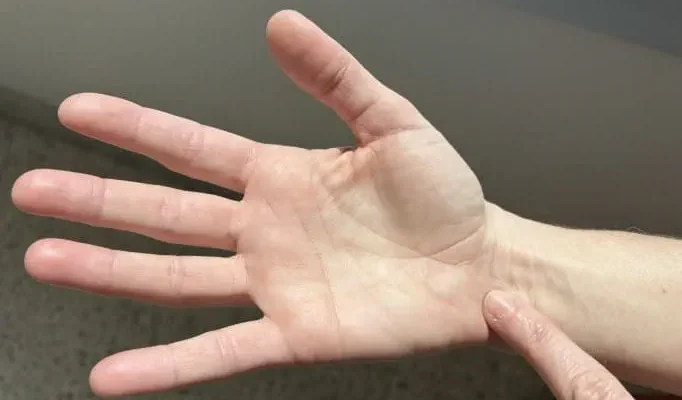
Acupressure

Precision Acupressure for Circadian Rhythm Modulation: A New Frontier in Sleep Regulation

In the evolving field of integrative medicine, acupressure is gaining renewed attention for its ability to influence not just localized pain or energy flow, but also the body’s deeper biological rhythms. One of the most exciting and underexplored dimensions of this therapy is its impact on the circadian rhythm — the internal 24-hour clock that regulates sleep, metabolism, hormone production, and cognitive performance. Moving beyond traditional applications, researchers and practitioners are now exploring precision acupressure as a tool to recalibrate disrupted sleep patterns, enhance daytime alertness, and optimize overall physiological balance.

The Emerging Link Between Acupressure and Circadian Regulation

While acupressure’s traditional foundations lie in balancing qi through meridians, modern physiology shows fascinating overlaps. Many of the meridians connected with sleep regulation — such as the Heart, Liver, and Kidney meridians — align with organ systems that exhibit strong circadian variation. For instance, the Liver meridian is most active between 1 a.m. and 3 a.m., coinciding with the body’s detoxification phase and melatonin peak. Applying acupressure during these windows may synchronize energetic and physiological processes, reinforcing the body’s natural timing mechanisms.

Emerging studies also suggest that stimulating certain acupoints can modulate the suprachiasmatic nucleus (SCN) — the brain’s central clock — through indirect neuroendocrine pathways. This means acupressure may influence circadian rhythm not just energetically, but neurologically.

Precision Timing: The Core of Chrono-Acupressure

Unlike traditional acupressure, which focuses on point efficacy, chrono-acupressure emphasizes timing. Each organ system has an energetic peak every two hours within the 24-hour cycle. When pressure is applied during a meridian’s active phase, it produces a more profound regulatory effect.

Examples of time-targeted applications include:

  • Pericardium 6 (Neiguan): Best activated between 7 p.m. and 9 p.m. to calm the nervous system and prepare the body for restorative sleep.

  • Liver 3 (Taichong): Stimulated around 1 a.m. to release stagnant energy that often manifests as nighttime restlessness.

  • Spleen 6 (Sanyinjiao): Pressed between 9 p.m. and 11 p.m. to harmonize hormonal and metabolic functions before sleep onset.

  • Kidney 1 (Yongquan): Activated upon waking to ground the body’s morning energy and reduce residual sleep inertia.

By aligning acupressure sessions with the biological clock, practitioners can optimize the synchrony between energy flow and physiological states.

Integrating Biometric Feedback in Modern Acupressure Practice

With the rise of wearable health technologies, acupressure is entering an era of measurable precision. Devices that track heart rate variability (HRV), sleep stages, and temperature rhythms now allow practitioners to correlate acupressure sessions with circadian data.

For example, monitoring HRV improvements after evening acupressure on calming points can objectively demonstrate parasympathetic activation — an indicator of circadian alignment. Similarly, sleep tracker analytics can help determine the ideal pressure duration or frequency for each individual, creating a personalized acupressure regimen grounded in data.

This fusion of ancient meridian wisdom with digital health tools marks a paradigm shift, enabling practitioners to transition from intuition-based therapy to evidence-informed precision wellness.

Neuroendocrine Implications of Circadian Acupressure

Acupressure exerts its influence partly through neuroendocrine modulation. When specific points are pressed, sensory receptors in the skin transmit signals to the brain, prompting changes in the hypothalamic-pituitary-adrenal (HPA) axis — the system that controls stress and hormonal balance.

Studies have shown that acupressure can:

  • Decrease cortisol levels, reducing the biochemical interference with melatonin secretion.

  • Increase serotonin availability, which is later converted into melatonin, promoting restful sleep.

  • Regulate core body temperature, a key factor in sleep onset and circadian stability.

By influencing these interconnected pathways, acupressure effectively serves as a bio-regulatory intervention, aligning physiological cycles with environmental cues such as light and darkness.

Case-Based Insights: Night Shift Workers and Frequent Travelers

Two groups particularly benefit from circadian-focused acupressure: shift workers and frequent travelers. Both experience chronic misalignment between internal clocks and external schedules.

  • Shift Workers: Applying pressure to calming acupoints like Shenmen (Heart 7) before daytime sleep can mimic nighttime energy patterns, allowing better rest in unconventional hours.

  • Frequent Travelers: Stimulating Stomach 36 (Zusanli) and Pericardium 6 (Neiguan) helps the body adjust to new time zones faster, minimizing jet lag symptoms.

Incorporating short, targeted acupressure routines during transitions between light-dark cycles can reinforce rhythm adaptation and restore hormonal equilibrium.

Personalized Acupressure Protocols for Sleep Optimization

A one-size-fits-all approach rarely works in acupressure, especially when addressing circadian concerns. Practitioners now develop personalized protocols based on three parameters:

  1. Chronotype Assessment: Morning versus evening energy patterns determine when and where to apply pressure.

  2. Lifestyle Analysis: Work patterns, light exposure, and stress levels guide the frequency and duration of sessions.

  3. Symptom Mapping: Identifying whether the imbalance manifests as insomnia, fatigue, or hormonal disruption shapes point selection.

By combining these insights, practitioners can build highly individualized treatment maps — maximizing both therapeutic efficacy and user compliance.

Integrating Acupressure into Digital Sleep Therapies

The future of acupressure lies in its integration with digital wellness platforms. AI-driven apps could recommend acupoint stimulation schedules based on real-time circadian data, user stress scores, and sleep quality feedback. Smart acupressure bands and guided haptic devices already exist, but future iterations may adjust intensity and duration automatically according to biometric feedback.

Such innovations not only enhance accuracy but democratize access, making circadian acupressure a mainstream, technology-assisted wellness practice.

The Ethical Dimension: Respecting Traditional Roots While Innovating

While modernization offers exciting opportunities, it is essential to preserve the cultural and philosophical foundations of acupressure. Practitioners should approach new applications with respect for traditional meridian theory, understanding that technological precision complements — rather than replaces — energetic intuition. The essence of acupressure remains the same: restoring natural balance through mindful touch.

FAQs

1. How is precision acupressure different from traditional acupressure?
Precision acupressure incorporates timing, biometric data, and individualized chronotypes to optimize results, whereas traditional acupressure follows standard point protocols regardless of time-based energy cycles.

2. Can acupressure replace sleep medication?
While acupressure can significantly improve sleep quality and rhythm alignment, it should be viewed as a complementary approach, not a replacement for prescribed treatments.

3. How often should one practice circadian acupressure?
For sustained benefits, short sessions (5–10 minutes) at consistent times daily are recommended. Consistency helps reinforce the body’s natural rhythmic cues.

4. Which acupressure points are most beneficial for circadian reset?
Key points include Pericardium 6 (Neiguan), Liver 3 (Taichong), Spleen 6 (Sanyinjiao), and Kidney 1 (Yongquan) — all of which harmonize the nervous and endocrine systems.

5. Is acupressure timing equally important for everyone?
Not necessarily. Each person’s circadian rhythm varies slightly based on chronotype, genetics, and lifestyle. Custom timing yields better results than fixed schedules.

6. Can wearable acupressure tools effectively mimic manual therapy?
Modern haptic devices can simulate pressure with fair accuracy, but they lack the intuitive sensitivity of a skilled practitioner’s touch. Combining both methods may provide optimal outcomes.

7. Does acupressure have measurable effects on melatonin production?
Preliminary research indicates increased nighttime melatonin levels following specific point stimulation, suggesting a potential regulatory role in sleep hormone secretion.

Conclusion
The concept of precision acupressure for circadian rhythm modulation represents a cutting-edge convergence of ancient wisdom and modern science. By honoring traditional energy principles while leveraging biometric and neurophysiological insights, acupressure is evolving into a scientifically grounded tool for restoring the body’s natural rhythms. As more people seek non-pharmaceutical ways to improve sleep and vitality, this refined approach may well become a cornerstone of personalized holistic health in the years to come.

What is your reaction?

Excited
0
Happy
0
In Love
0
Not Sure
0
Silly
0

You may also like

More in:Acupressure